

Welcome to our informational blog.
Topics covered include literary theory and practice, academic writing techniques, philosophy of education, and explanations of our methods for strengthening creative intelligence.
Learning in Motion: Liberal Arts and the Writing Life
A creative writing mentor helps the writer make use of the raw materials gathered through the liberal arts sensibility. Mentorship provides a space where ideas can be tested, clarified, and shaped into narrative form.
Intertextuality: Crafting a Novel in Conversation with the Past
A writer exploring intertextuality draws strength from a clear understanding of why certain references matter. Precision matters because every echo shapes a reader’s attention. A book writing consultant enters here as a practical and interpretive partner. Many writers sense an influence working through them but have difficulty articulating exactly how that influence functions on the page. A consultant can help them examine the pattern, clarifying whether an allusion strengthens a moment or dilutes it.
The Hidden Structure of Longform Nonfiction
Longform nonfiction grows through successive acts of recognition. The writer recognizes the pattern within their subject. They recognize the limits of early drafts. They recognize when they need a new method. Eventually, they recognize the path the book wants to follow. A manuscript consultation supports this sequence of recognitions.
Lessons in Scale from the Nineteenth Century Novel
The Victorian novel trusts the reader’s appetite for gradual revelation. It relies on accumulation to invite a slower gaze. Working with a novel writing coach can help a writer translate these Victorian lessons into contemporary practice.
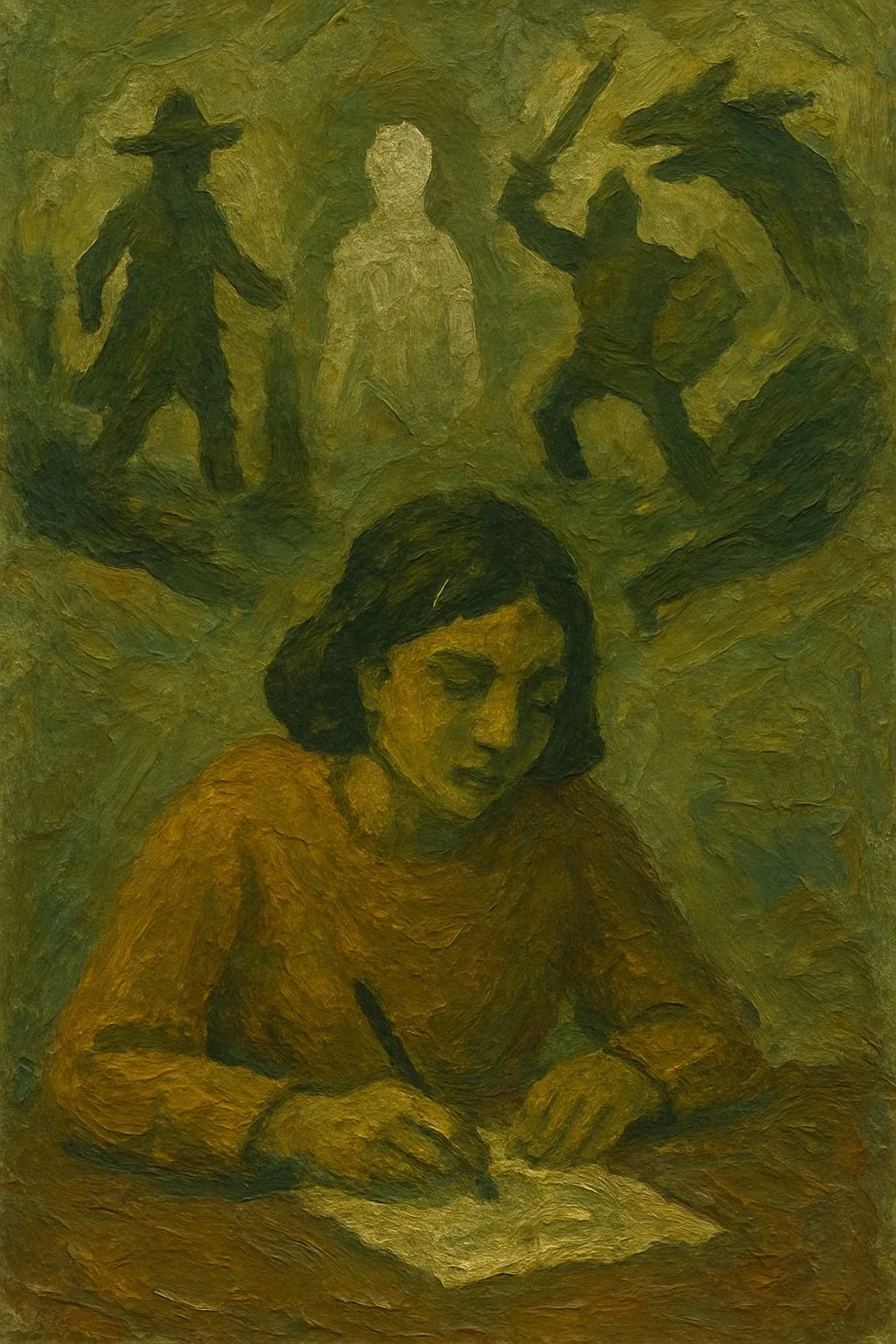
Training the Writer's Eye With Genre Fiction
A mystery may have a compelling premise yet lack the careful scaffolding that allows clues to feel earned. A fantasy novel may carry a vivid world but struggle to integrate its systems into the emotional arc of the characters. A book publishing coach helps writers identify the cognitive patterns the genre expects so that they can engage with them intentionally.
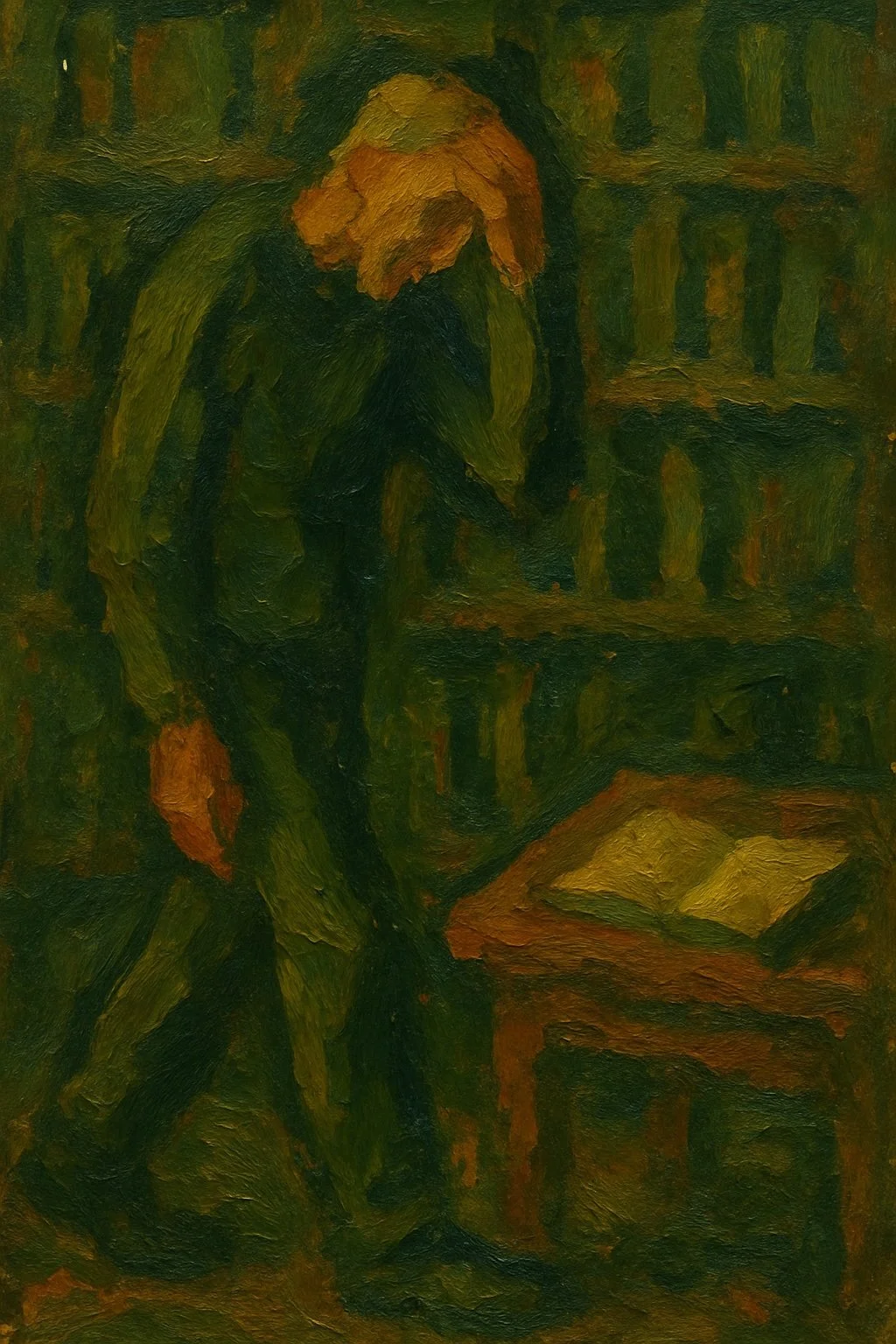
Holding Uncertainty in Creative Nonfiction
The essay form thrives when the writer embraces the unknown. Doubt is another invitation to attend closely to the shifting thoughts and feelings. A writer who holds that uncertainty with care discovers new patterns of meaning in the process. With the support of an online creative writing mentor, the writer’s capacity to stay inside this unsettled space expands.
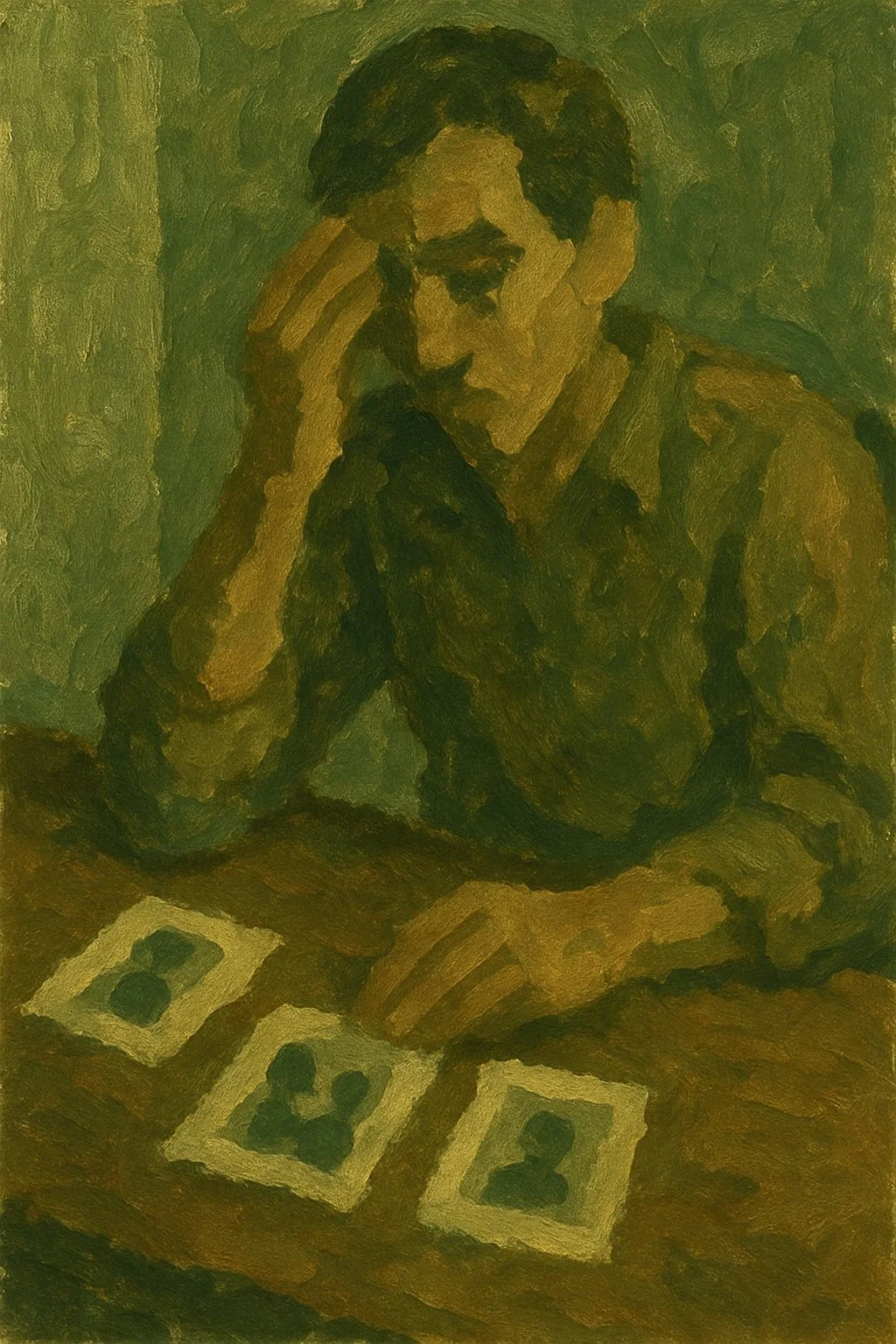
How Memoirists Learn to Break the Timeline
Hiring a writing coach helps memoirists understand when chronology is serving the story and when it is limiting it. Some sections may need to unfold in time because the sequence itself carries meaning. Others may open more fully when freed from that constraint. The coach guides the writer toward the structure that best expresses the emotional movement of the work.
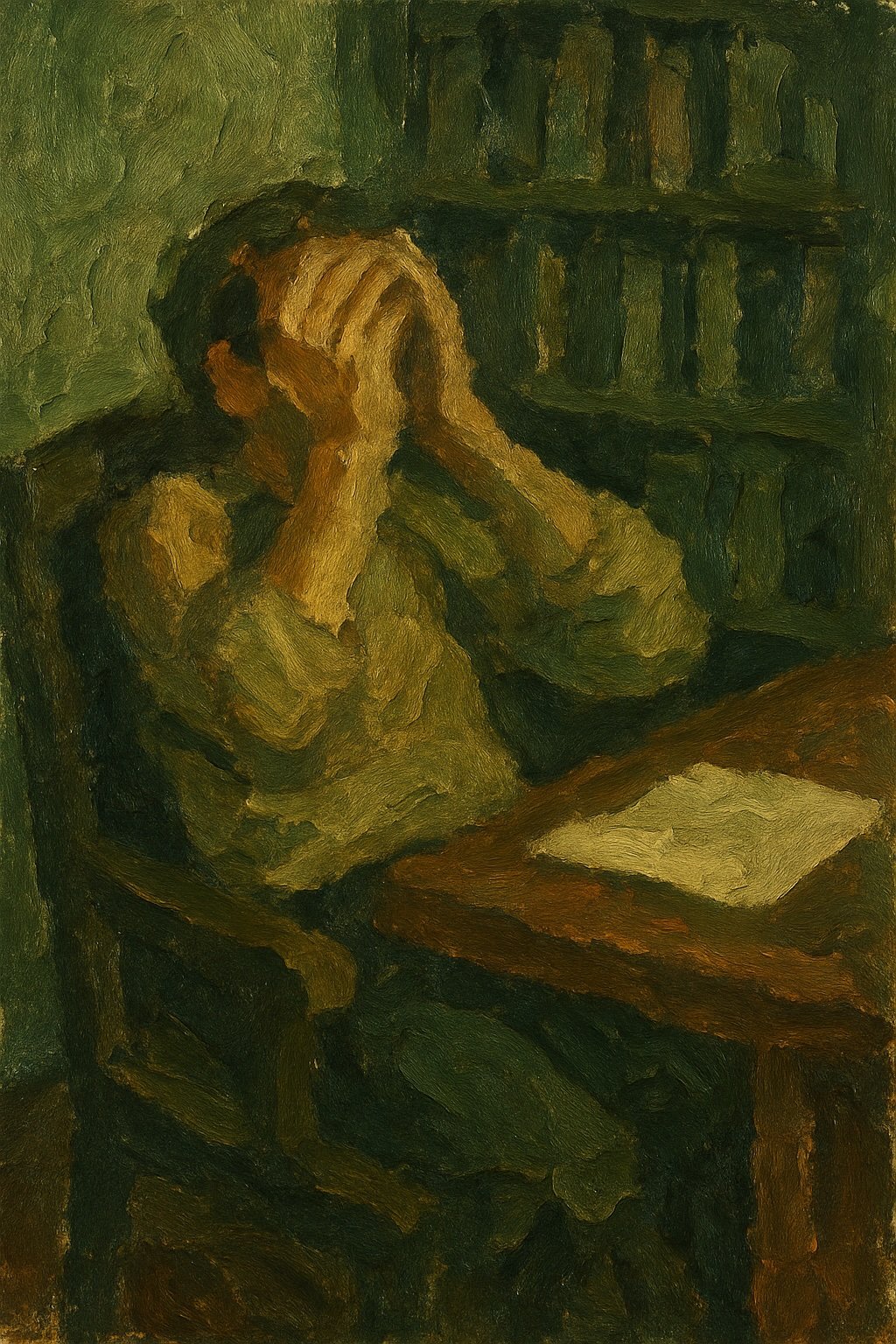
Why the Three-Quarter Mark Tests a Writer’s Resolve
At this stage, the writer is navigating a convergence of structural and emotional challenges. A creative writing coach can read the draft with a level of clarity that the writer, immersed in the work, often cannot maintain. They see the architecture without the noise of self-doubt.

What Critique Teaches Us About Our Own Voice
A thoughtful manuscript critique offers a way of seeing the work that reveals its potential. Skilled writing consultants approach a manuscript with curiosity and attention as they look for the deeper patterns that hold the piece together. They notice the places where the writer’s voice feels most alive and consider how the rest of the work might rise to meet that level.

In Praise of What's Still Unfinished
A personal writing coach often helps a writer see the unfinished draft as evidence of progress instead of failure. A coach understands that writing unfolds in stages. Early drafts sprawl because they are supposed to sprawl. Characters contradict themselves because the writer is still learning who they are.
How Narrative Shapes Our Understanding of the Self
Through these conversations with a creative writing mentor, something interesting happens. The writer begins to see the character as a product of their own narrative choices, not as a fixed entity. They learn to shape identity with greater care. They experiment with how a character interprets an event, how they revise their story of it, and how those revisions open up new emotional territory. Over time, this attention changes the way a writer thinks about themselves.
How Books Change With Us
Author mentors often encourage you to return to a book that once shaped you. They know that familiarity with the text gives you freedom to look more closely. Instead of rushing through the narrative, you can linger on a paragraph and notice how its movement is achieved. Mentors help you break down the mechanics of a moment that once felt mysterious. Their guidance gives you language for technique, which then becomes a tool you can apply to your own work.

How Poets Build Structure from the Land
Many early drafts contain traces of landscape that the writer has not yet recognized. A creative writing coach can point out how a poem shifts its tone when it moves from an interior scene to an outdoor one. An author mentor can also help a writer return to forgotten landscapes that still hold emotional charge.

The Value of Slow Scenes in a Fast Novel
A writer may lose sight of what the reader needs in order to experience the book’s emotional core. Manuscript critique services offer a fresh angle on the narrative. It identifies where the novel needs a moment of rest. It shows the writer which quiet passages are already working and which ones need sharpening. It also clarifies how each slow scene contributes to the thematic and structural arc of the book.

The Hidden Possibilities Inside an Unfamiliar Voice
A writer working alone can sense when a shift in point of view might open the story. They can also feel unsure about how far to push the experiment. A manuscript consultation with a book publishing coach creates a space where those questions can be tested. The coach brings an outside ear that listens for tonal consistency, narrative balance, and the emotional undertones of a chosen voice.

The Surprising Freedom of Writing with Constraints
A fiction writing coach often works with a writer at the moment when a project feels too loose or too undefined. Writers sometimes arrive with an idea that holds promise but lacks shape. The coach listens for the underlying movement of the story. They pay attention to the hints of rhythm or tension that appear in scattered moments. Through conversation, the coach helps the writer identify a possible structure that aligns with the story’s instinctive direction.

When a Story Stays With You for Years
A book writing coach pays attention to the story’s internal evolution as well as the writer’s. They listen for the quiet signals that the project has entered a new stage and help the writer recognize when the story has matured enough for renewed work.

Ritual, Presence, and the Long Apprenticeship of Writing
The presence of a creative writing mentor can help a writer understand what they need in order to work consistently. Mentors often observe patterns that writers overlook. They might notice that a writer produces stronger work during shorter sessions or that they benefit from beginning with a specific warm-up exercise. These insights become part of the writer’s private toolkit.

The Books that Make Us
Hiring a writing coach can help a writer clarify the lineage of their influences. With careful attention, a mentor can observe where a manuscript leans toward a familiar pattern and invite the writer to decide whether the pattern supports the story or restricts it. Many writers discover that they mimic aspects of admired authors without noticing it. The imitation may appear in pacing, dialogue rhythm, or emotional structure. A coach can help the writer see these patterns clearly and decide which ones deserve to remain.

New Directions: Reading Outside Your Genre with the Support of a Writing Consultant
An online creative writing consultant observes a writer’s habits, patterns of thought, and preferred models. They also pay close attention to how the writer responds to new forms. This perspective allows the consultant to recommend texts that broaden the writer’s range and illuminate specific craft questions the writer is facing.